

The State of Retirement in America: Facing the Peak of Peak 65
In 2025, America has reached the “peak of Peak 65®” moment — an unprecedented milestone where more Americans will turn 65 than at any other time in history.
The State of Retirement in America 2025
On April 10th, the Bipartisan Policy Center has invited the Alliance for Lifetime Income to brief Members of Congress and senior staff on retirement insecurity in America, sharing unique research and insights from the country’s leading retirement income experts — including ALI’s Protected Retirement Income and Planning (PRIP) studies and the landmark Peak 65 Research Paper. The event will also explore how annuities and lifetime income can help close the retirement income gap and improve retirement outcomes for millions of Americans.
While people are living longer, fewer have access to traditional pensions, and many lack protected lifetime income to cover basic expenses for the rest of their lives. Nearly 50% of Peak 65 households (ages 61-65) are at risk of not maintaining their standard of living in retirement.
Understanding Protected Income
 With longer lifespans and shifting retirement landscapes, how can you be sure your savings will last? Annuities offer a powerful solution—providing guaranteed lifetime income that protects you from outliving your money.
Over half of Americans admit they don’t fully understand how annuities work or how they can secure their financial future.
The Alliance for Lifetime Income is a non-profit organization committed to educating consumers about the value and importance of protected lifetime income through annuities. Part of our commitment includes making the language of annuities simpler and more transparent.
We realize that annuities, like most other financial products, can be difficult to understand, which is why we’ve created a Language Glossary. Simplifying language will help you make better decisions about annuities, which can lead to better outcomes in your retirement planning.
Important Resources for Understanding Retirement
America’s Peak 65® Zone
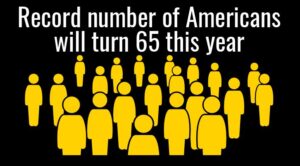
2025 marks the “peak of the peak” of ‘America’s Peak 65® Zone’, a four-year period that began last year and runs through 2027. This year’s record-breaking peak (the Peak 65® Zone) will hold for the next 20 years, until the larger Millennial generation starts reaching retirement age, with higher numbers of Americans turning 65.
Learn More About Peak 65 Download Peak 65 Research
The Peak Boomers Impact Study
 In a definitive study commissioned by the ALI Retirement Income Institute examining the economic impact of the greatest surge of retirement age Americans in U.S. history, the former Under Secretary of Commerce for Economic Affairs, Robert J. Shapiro, finds that a majority of Americans who will turn age 65 between 2024 and 2030 are not financially prepared for retirement.
Read the executive summary
Based on their assets and their likelihood of living up to 20+ years in retirement, two-thirds of Peak Boomers will be challenged to maintain their lifestyles. More than half (52.5%) have assets of $250,000 or less, suggesting use their savings and have to rely mainly on Social Security for income. Another 14.6% have assets of $500,000 or less, so nearly two-thirds will strain to meet their needs. On average, Social Security may about 40% of a person’s annual pre-retirement income, according to the Social Security Administration.
WATCH Peak65 Economic Impact forum
2024 Protected Retirement Income and Planning (PRIP) study

As the youngest Baby Boomers reach retirement age, the 2024 Protected Retirement Income and Planning (PRIP) study by the Alliance for Lifetime Income reveals a troubling portrait of retirement readiness. Half of Americans aged 61 to 65, referred to as “Peak 65” consumers, have already retired—at an average age of 57.7—and nearly half are already claiming Social Security. Yet, 66% of those drawing Social Security have less than $100,000 in investable assets, and 43% cite disability or inability to work as the reason for early benefits. The emotional outlook is mixed: one-third feel confident about their finances, while an equal number are worried, and 42% remain cautiously optimistic.
The study highlights significant financial pressures: 28% of Peak 65s are still supporting adult relatives, and nearly half (48%) don’t believe their savings will last throughout retirement. With pensions mostly gone and Social Security designed to replace only about 40% of pre-retirement income, experts warn of a looming gap in retirement security. The Alliance is urging greater consumer education on annuities, noting their growing role as personal pensions. Federal Reserve data shows annuity owners had a median income of $76,000 in 2022, suggesting these products may help middle-class retirees close the income gap and achieve greater financial stability.
RETIREES SPEND LIFETIME INCOME, NOT SAVINGS
 New research reveals that retirees are far more likely to spend income than tap into their savings—underspending by nearly half from available resources. The study finds that guaranteed lifetime income sources like Social Security, pensions, and annuities drive significantly higher spending than savings or capital income. Converting assets into income streams could boost retirement consumption by up to 100% for married households. These findings offer powerful insights for policymakers, financial professionals, and retirees seeking to turn savings into sustainable lifetime income.
annuity myths
There’s a lot of confusion about annuities. The Alliance has prepared two guides —one addressing common myths and another focused specifically on fees and commissions.
 Debunking Annuity Myths
This quick-read guide tackles the most common misconceptions about annuities—like the idea that they’re too expensive, too complicated, or only for retirees. It explains how annuities can offer guaranteed income, flexible options, and financial security at various life stages.
DOWNLOAD Debunking Annuity Myths Guide
Annuity Myths: Fees & Commissions
Worried annuities come with hidden costs? This resource breaks down the truth about fees, transparency, and how financial professionals are compensated. It helps consumers understand the real value behind annuities and how to have informed conversations with advisors.